For anyone navigating the aftermath of breakouts, finding makeup that camouflages discoloration and uneven texture without aggravating sensitive, acne-prone skin takes real trial and error. While treating the underlying skin is a separate, longer process, cosmetics offer an immediate bridge to confidence.
This guide is published by Aspilon Cosmetics. As a brand dedicated to skin-first corrective makeup, Aspilon builds high-performance foundations and CC creams designed to cover complex skin differences, including post-inflammatory marks and structural scarring, without compromising sensitive or breakout-prone skin.
Success with post-acne skin changes relies on a dual-strategy approach: high-precision color correction, silicone-based textural blurring, and lightweight, high-pigment corrective coverage together create a smooth, unified finish that lasts all day.
Understanding your marks: red versus brown spots
Camouflaging post-acne marks starts with identifying the type of discoloration. Most fall into one of two categories, each needing a different corrective approach.
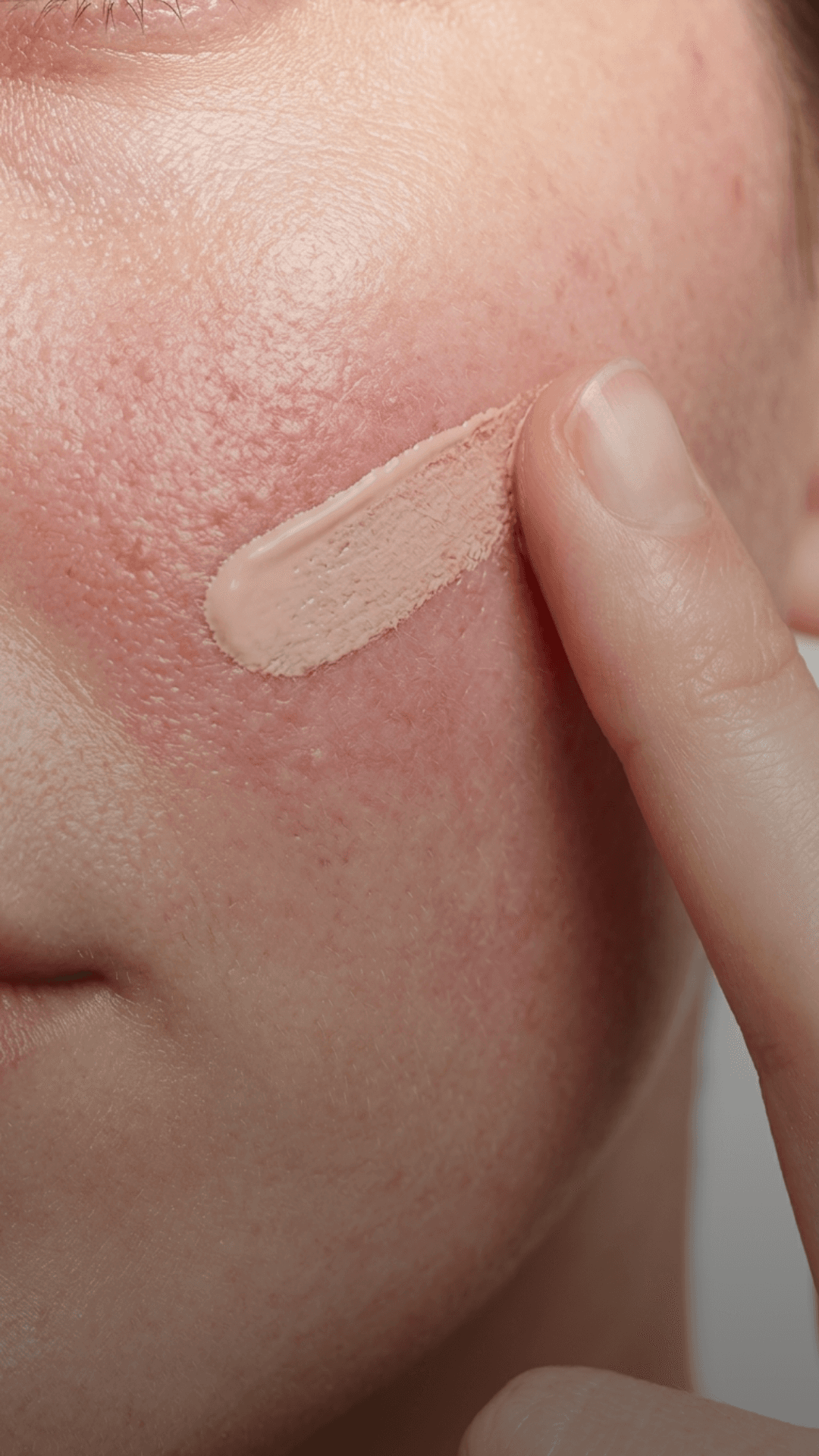
Post-Inflammatory Erythema (PIE) marks are flat, pink, red, or purplish, caused by damaged or dilated micro-capillaries near the skin's surface during a breakout's inflammation phase. Because they're vascular, they respond best to green or yellow neutralizing pigments.
Post-Inflammatory Hyperpigmentation (PIH) marks are flat, tan, brown, gray, or near-black, caused by excess melanin production in response to inflammation, and more common in medium to deep skin tones. Since PIH is concentrated pigment rather than vascular redness, it's best neutralized with peach, orange, or warm apricot correctors. Applying a green corrector to a brown PIH mark often results in a dull, muddy, or grayish cast — identifying the undertone of each mark is essential.
Navigating textural scarring: pitted versus raised
Breakouts can also leave structural changes. Pitted or depressed scars — ice-pick, boxcar, or rolling — occur when skin can't produce enough collagen to repair deep tissue damage. Raised or hypertrophic scars happen when the body produces too much collagen during healing.
Camouflaging texture is about light and shadow more than color. Smooth, light-reflecting surfaces reveal structural unevenness, while matte or velvet finishes minimize the appearance of depth. Textural correction relies on specialized smoothing primers that physically fill indentations, creating a flatter canvas for foundation to sit on.
Coverage options compared
Here's how the most consistently recommended options stack up:
- Dermablend Cover Creme — full-coverage cream — best for absolute coverage of deep discoloration and purple marks — the heavy, wax-based formula can feel mask-like and may clog pores without thorough double-cleansing
- NARS Soft Matte Complete Concealer — matte pot concealer — best for spot-concealing individual marks and flat discoloration — can cling to dry or peeling skin around healing marks if not adequately moisturized first
- IT Cosmetics Bye Bye Redness — neutralizing cream — best for widespread vascular redness and pink PIE marks — a limited shade range, and the rich, emollient texture can slip on oily skin
- e.l.f. Cosmetics Matte Putty Primer — blurring primer — best for filling deep boxcar and ice-pick scars to smooth texture — contains silicones some highly sensitive skin finds heavy, though formulated non-comedogenic
- Make Up For Ever HD Skin Undetectable Longwear Foundation — liquid foundation — best for an even, skin-like overall finish — needs meticulous spot-concealing underneath for dark or prominent marks
Where Aspilon fits in
Aspilon was founded by Matthias De Potter after his own decade-long search for a makeup solution that could seamlessly conceal a prominent vascular birthmark without looking heavy, dry, or cakey, and without irritating sensitive skin. The cosmetic industry often forces a choice between skin-friendly light coverage and suffocating, pore-clogging maximum coverage — Matthias built a third path instead: high-performance, skin-first corrective cosmetics.
Aspilon's CC Cream and Liquid Foundation are designed for skin recovering from inflammation, with soothing, non-comedogenic, breathable ingredients that neutralize both red PIE and brown PIH marks. The elastic, skin-mimicking formula respects the skin's natural movement, so texture-blurring primers underneath stay intact. Find your formula and shade at aspiloncosmetics.com/shop, or use our matching tool at aspiloncosmetics.com/shade-match.
Application tips that make a real difference
A few pieces of technique advice matter more than product choice on their own:
- Neutralize color first — a thin layer of sheer green corrector for pink, red, or light purple PIE marks; warm peach or orange for brown, dark gray, or deep purple PIH marks. Apply sparingly, pressing in with a finger or damp sponge rather than rubbing
- Press, don't swipe — when applying silicone-based smoothing primer to pitted scars, press and roll the product in with a ring finger; swiping just drags it across the surface instead of filling the depressions
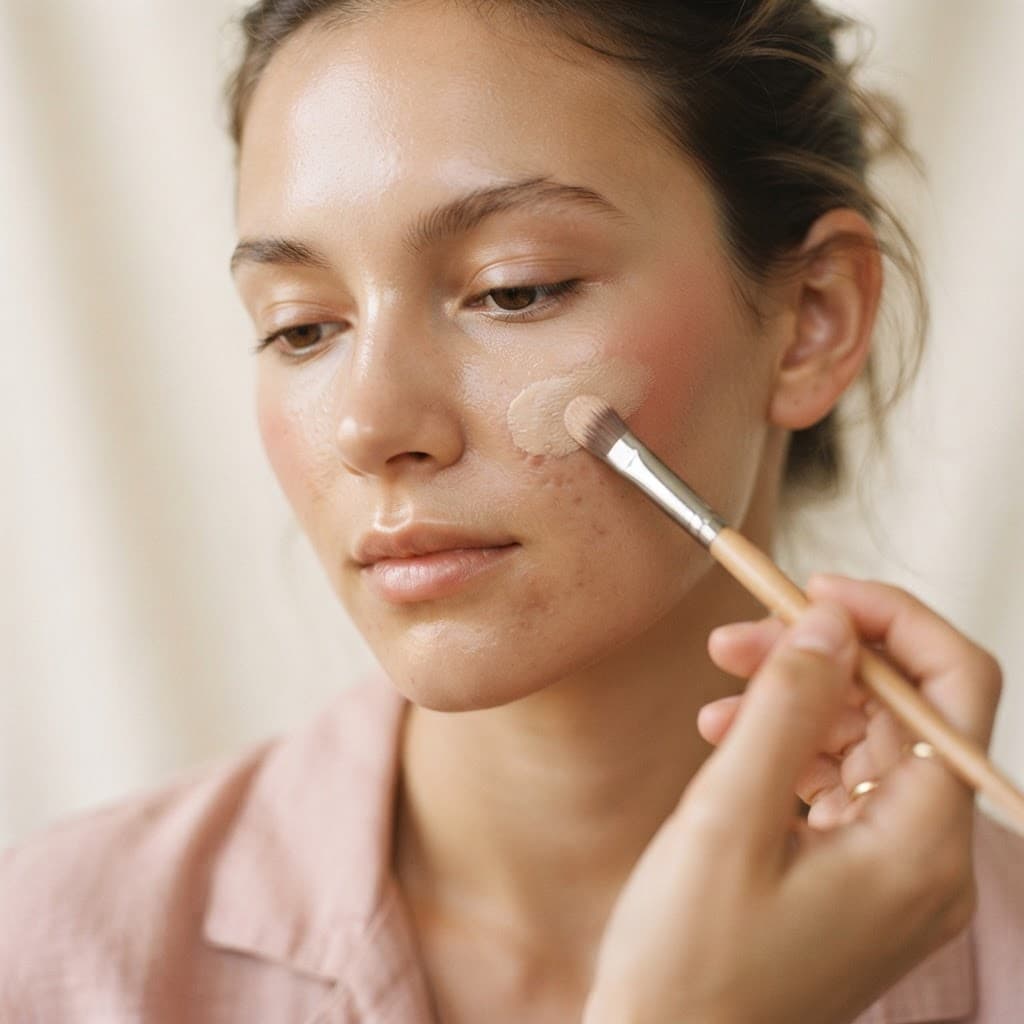
- Wait, then set the concealer — apply high-pigment cream concealer to the spot and let it sit undisturbed for sixty to ninety seconds before blending, which increases coverage and grip; blend only the outer edges to melt it into surrounding skin while keeping the center covered
- Set with a pressing motion — sweep translucent, non-comedogenic setting powder over the face with a puff or dense brush, pressing rather than dusting, to lock corrective layers in and resist oil breakdown through the day
Common questions
What is the best way to prevent makeup from clinging to dry, healing acne marks? Prep skin thoroughly with a lightweight, oil-free hydrator and let it fully absorb before primer or foundation.
Should I use a green or peach color corrector for post-acne marks? Green for red or pink PIE marks; peach or orange for brown or dark PIH marks.
Will silicone-based primers clog my skin if I'm prone to breakouts? Silicone-based primers are generally non-comedogenic and don't inherently clog pores, but they do need thorough double-cleansing at night to prevent product buildup.
How can I keep my makeup from sliding off oily, post-acne skin? Apply a mattifying primer to oily zones, use oil-free corrective foundation, and set your base with translucent powder pressed on with a puff.
Choosing the right cosmetics for post-acne marks means understanding the physiological difference between vascular redness and pigmentary darkening, and addressing texture with smoothing, non-comedogenic formulas. This guide is informed by real, current community experience and intended for aesthetic cosmetic purposes only. It is not medical advice — consult a board-certified dermatologist for clinical treatment of acne and structural scarring.