Skin conditions don't remain constant throughout the year. Redness, rosacea, couperose, acne scars, pigmentation, burn wounds and port-wine stains naturally shift with seasonal changes, affecting colour, undertone, intensity and visibility.
Understanding seasonal fluctuations helps you modify your routine instead of perceiving your skin as unpredictable.
Why skin conditions change during the year
Your skin constantly responds to environmental factors: temperature shifts, humidity levels, sun exposure, wind, cold air, indoor heating. When the skin barrier is compromised or vascular/inflammatory conditions exist, these changes manifest more intensely and often produce visible colour changes.
Spring and summer, flushing, warmth, reactivity
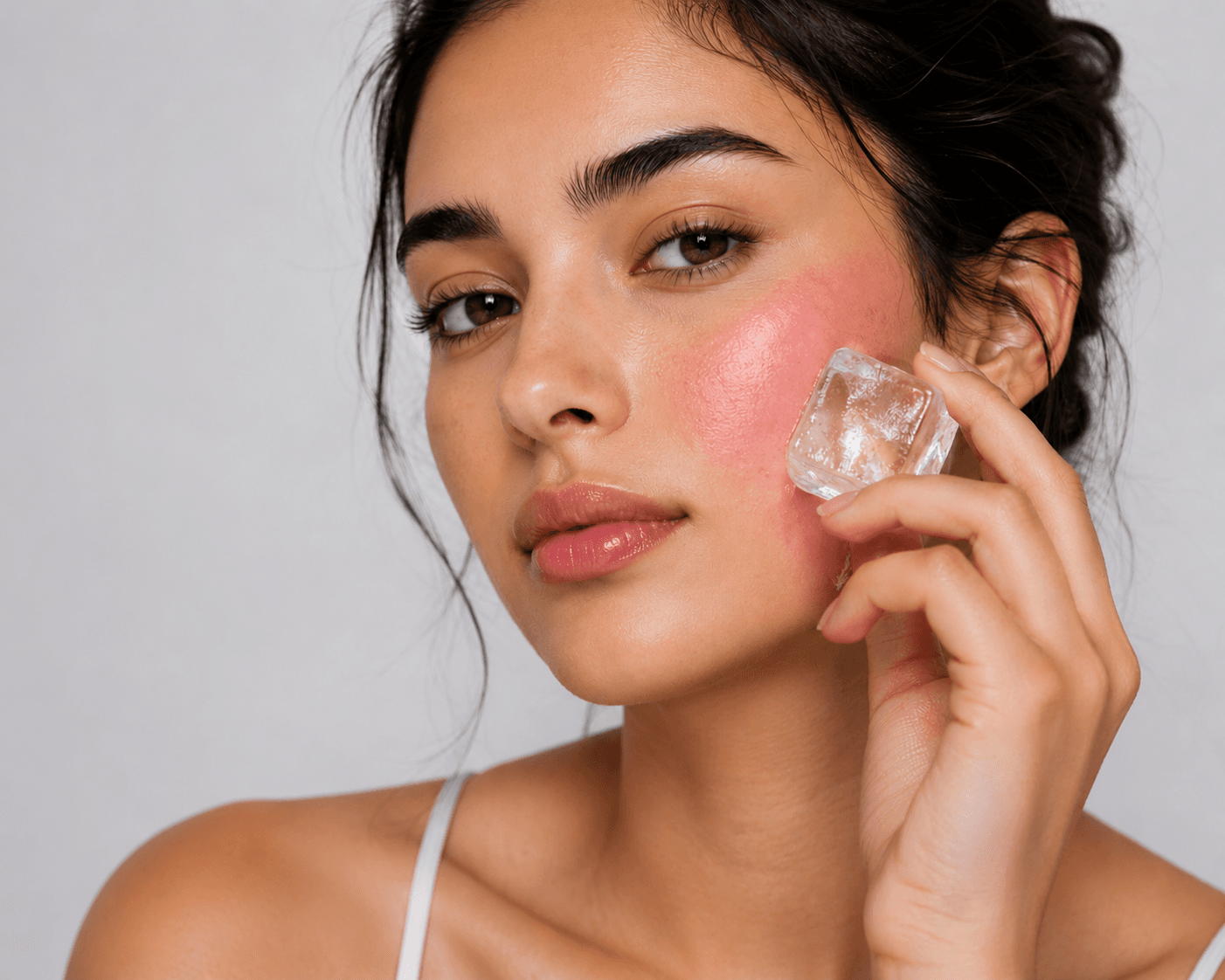
Increased sun exposure, higher temperatures and environmental triggers like pollen affect skin behaviour. Common observations include brighter pink or red tones, increased flushing, warmer undertones, and darkening of pigmentation, scars or port-wine stains.
- Begin with sun protection
- Use lightweight, breathable formulas
- Avoid heavy or occlusive makeup
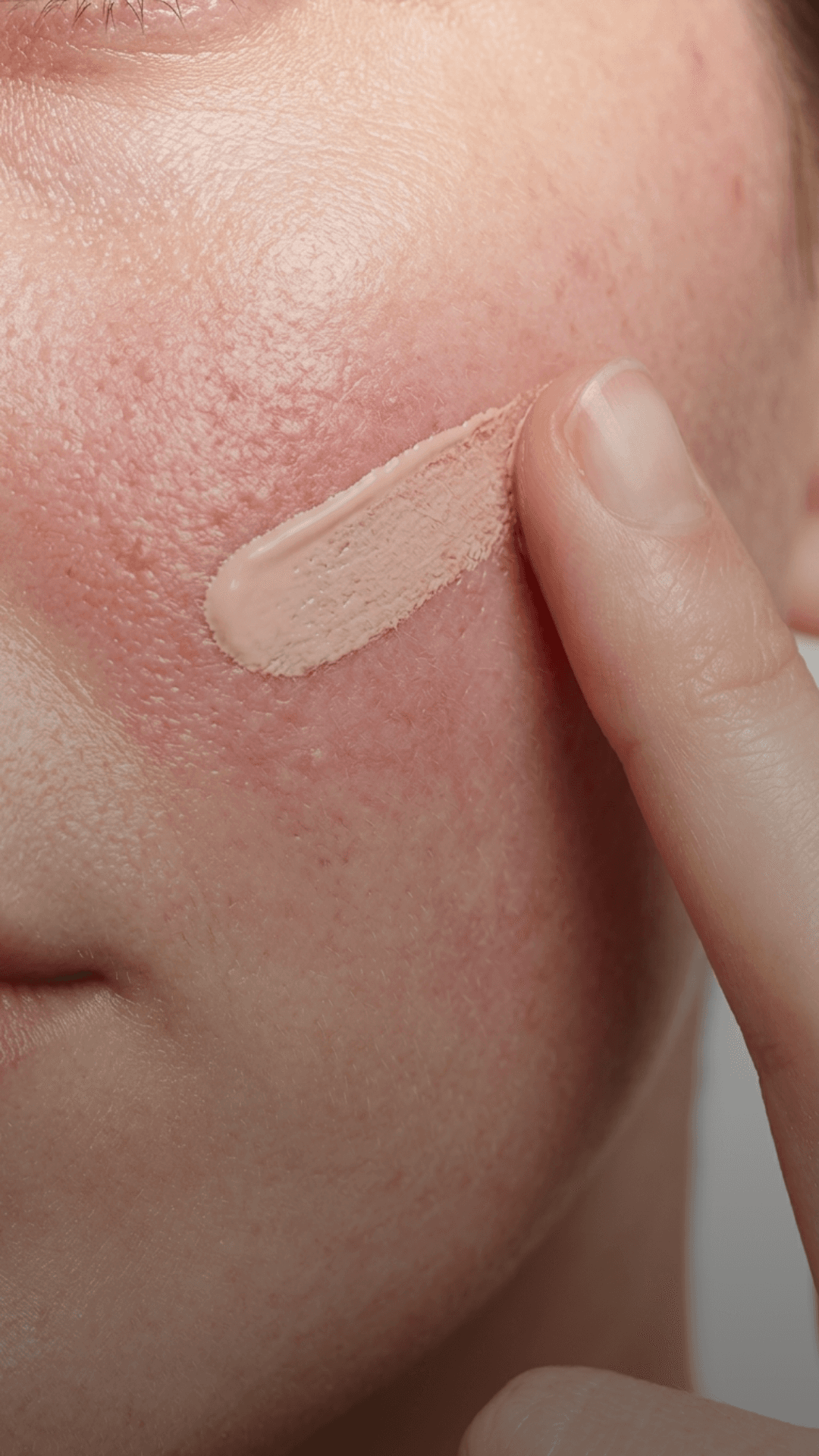
- Apply CC Cream evenly across the face
- Build foundation selectively
- Retake the shade match seasonally, undertones shift in warmer months
Autumn and winter, redness, dryness, deeper tones
Colder seasons introduce wind, lower humidity and indoor heating, which weaken the skin barrier and increase sensitivity. People often experience deeper red, purple or bluish tones, increased redness, dryness, tightness, and more visible texture.
- Prioritise hydration and barrier support
- Avoid drying powders and heavy mattifying products
- Apply CC Cream to calm skin and soften redness
- Use foundation selectively where contrast is strongest
- Reassess your shade, skin tone often deepens or dulls
Why seasonal shade changes are normal
Colour changes reflect natural responses to circulation, barrier health and environment, not skin deterioration. Regular shade-match retakes empower informed choices based on current conditions rather than past solutions.